

Florida’s New Xylazine and Nitrous Oxide Laws: What They Mean for Drug Charges
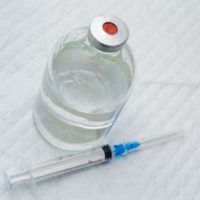
Florida lawmakers spent much of the 2026 session tightening rules around two substances that used to sit in a legal gray area: xylazine and nitrous oxide. The result, Senate Bill 432, reshapes how prosecutors can charge cases involving both drugs, and the changes are significant enough that anyone facing an arrest tied to either substance should understand what’s different. For Clearwater drug crime attorneys, this law is already shaping how we advise clients on possession, sale, and trafficking allegations, particularly because parts of it carry mandatory minimum sentences.
Why Nitrous Oxide Went From Party Favor to Felony Concern
Nitrous oxide, sold in small canisters and often called “whippits” or “laughing gas,” was never fully unregulated in Florida. Under Section 877.111(4) of the Florida Statutes, distributing, selling, or possessing more than 16 grams for inhalation purposes has been a third degree felony for years. What changed is the retail side of the equation.
SB 432, referred to as “Meg’s Law,” creates a new statute, Section 569.216, specifically targeting tobacco and nicotine dealers and their employees. It is now unlawful for a licensed dealer or its agents to possess, sell, deliver, or give nitrous oxide from a licensed retail premises, again as a third degree felony. Grocery stores, supermarkets, and finished food products that use nitrous oxide only as a propellant are exempt.
Practically speaking, this closes the loophole that let smoke shops and gas stations sell canisters over the counter with little consequence. Anyone working at or operating one of these businesses now faces real felony exposure, not just a citation.
Xylazine Moves From Veterinary Drug to Trafficking Offense
Xylazine, known on the street as “tranq,” was already a scheduled substance under Section 893.03. What the new law adds is far more serious: an actual trafficking offense under Section 893.135, complete with mandatory minimum prison terms and fines tied to the quantity involved. Selling, manufacturing, delivering, or possessing xylazine with intent to distribute now carries enhanced penalties under Section 893.13 as well.
The law does carve out an exception for FDA-approved xylazine animal drug products used for legitimate veterinary purposes, so a farm or clinic operating within FDA guidelines is not swept into this framework. But for anyone found with xylazine outside that narrow exception, particularly mixed with fentanyl or other opioids, the stakes just rose considerably.
A few practical points worth knowing if you or a loved one is facing charges under either provision:
- The nitrous oxide provisions target licensed dealers specifically, so employment status and business licensing can become relevant to a defense.
- Xylazine trafficking thresholds and mandatory minimums mean the weight of the substance seized matters enormously to sentencing exposure.
- Both laws take effect October 1, 2026, though the amendment to the controlled substance schedule takes effect earlier, on July 1, 2026.
- Lab testing and chain of custody issues can be especially important in xylazine cases, since it is frequently found mixed with other substances.
What This Means If You’re Facing Charges
These changes reflect a broader statewide push to treat emerging street drugs with the same seriousness as more established controlled substances. That shift matters for anyone caught in the middle of a case built on these new provisions, especially given how quickly mandatory minimums can change the calculus of a plea negotiation.
Facing a charge tied to xylazine or nitrous oxide is not something to sort out alone. King Law Group has spent years defending clients against Florida drug charges, and we know how to scrutinize the evidence, the testing, and the statute itself for weaknesses. Give us a call to talk through your options before your next court date.